The Enduring Value of Imperial Green Jadeite: A Guide for Connoisseurs
Explore the unparalleled value of Imperial Green Jadeite, its origins, quality factors, and why it remains a premier investment gemstone.
The Enduring Value of Imperial Green Jadeite: A Guide for Connoisseurs
Imperial Green Jadeite stands as the pinnacle of jadeite quality, a gemstone revered for millennia across Asian cultures, particularly in China. Its name alone evokes images of royalty, prestige, and unparalleled beauty. For discerning collectors and astute investors, understanding the intricate factors that contribute to its extraordinary value is paramount. At Myanmar Jadeite, with our direct access to the source in Mandalay, we offer an unparalleled perspective on this magnificent gem.
What Defines Imperial Green Jadeite?
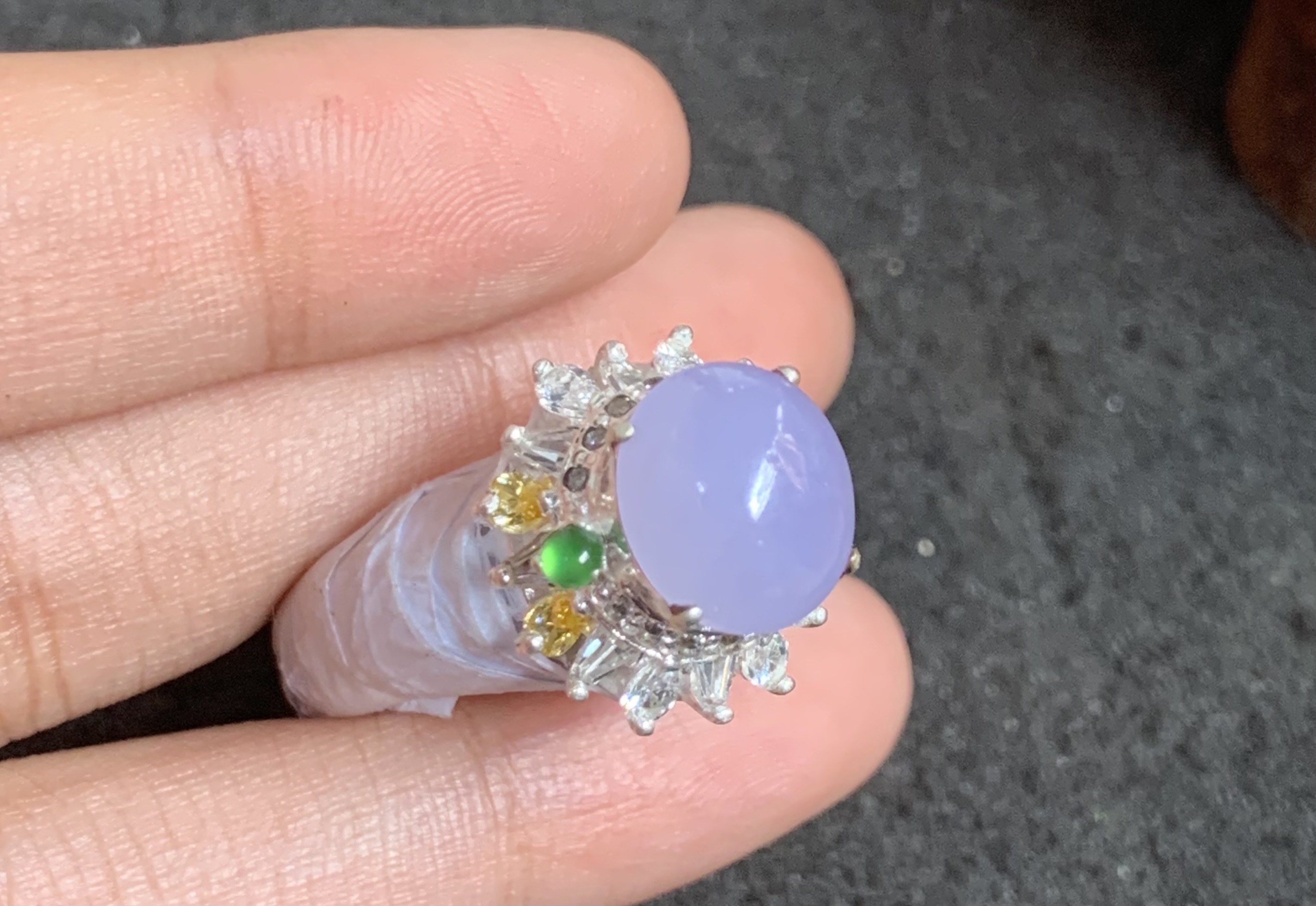
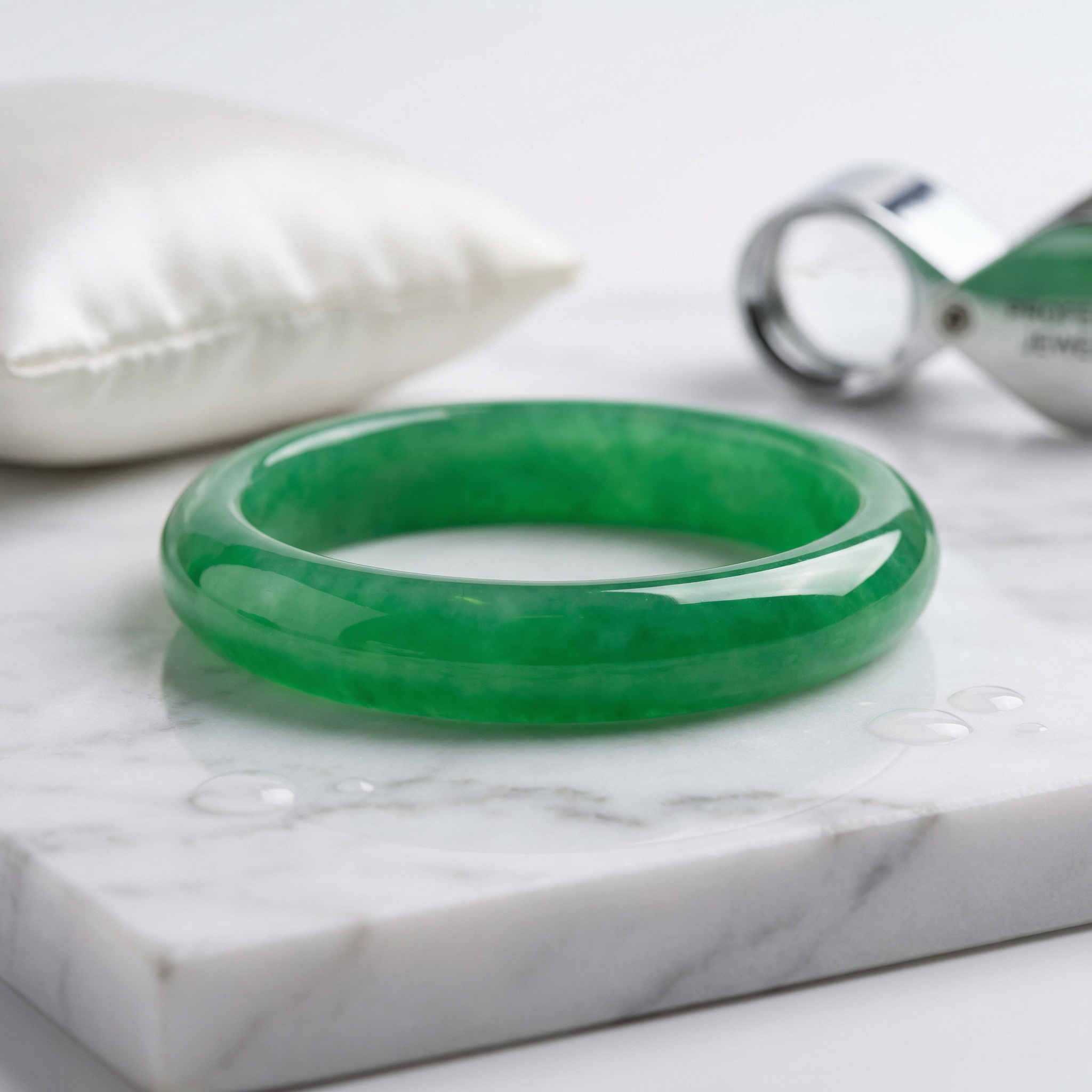
True Imperial Green Jadeite is characterized by its intense, vivid emerald-green color, often described as 'old mine' green. This specific hue is due to a high chromium content, evenly distributed throughout the stone, resulting in a vibrant, almost glowing appearance. Beyond color, its value is determined by several critical factors:
1. Color: The Soul of Imperial Green
The most crucial factor is the color. It must be a rich, deep, and pure emerald green, without any undertones of grey, blue, or brown. The color should be uniform and saturated, appearing consistent even under different lighting conditions. The term 'Imperial' is reserved for jadeite that exhibits this specific, highly prized color.
2. Transparency (Clarity): The Luminous Glow
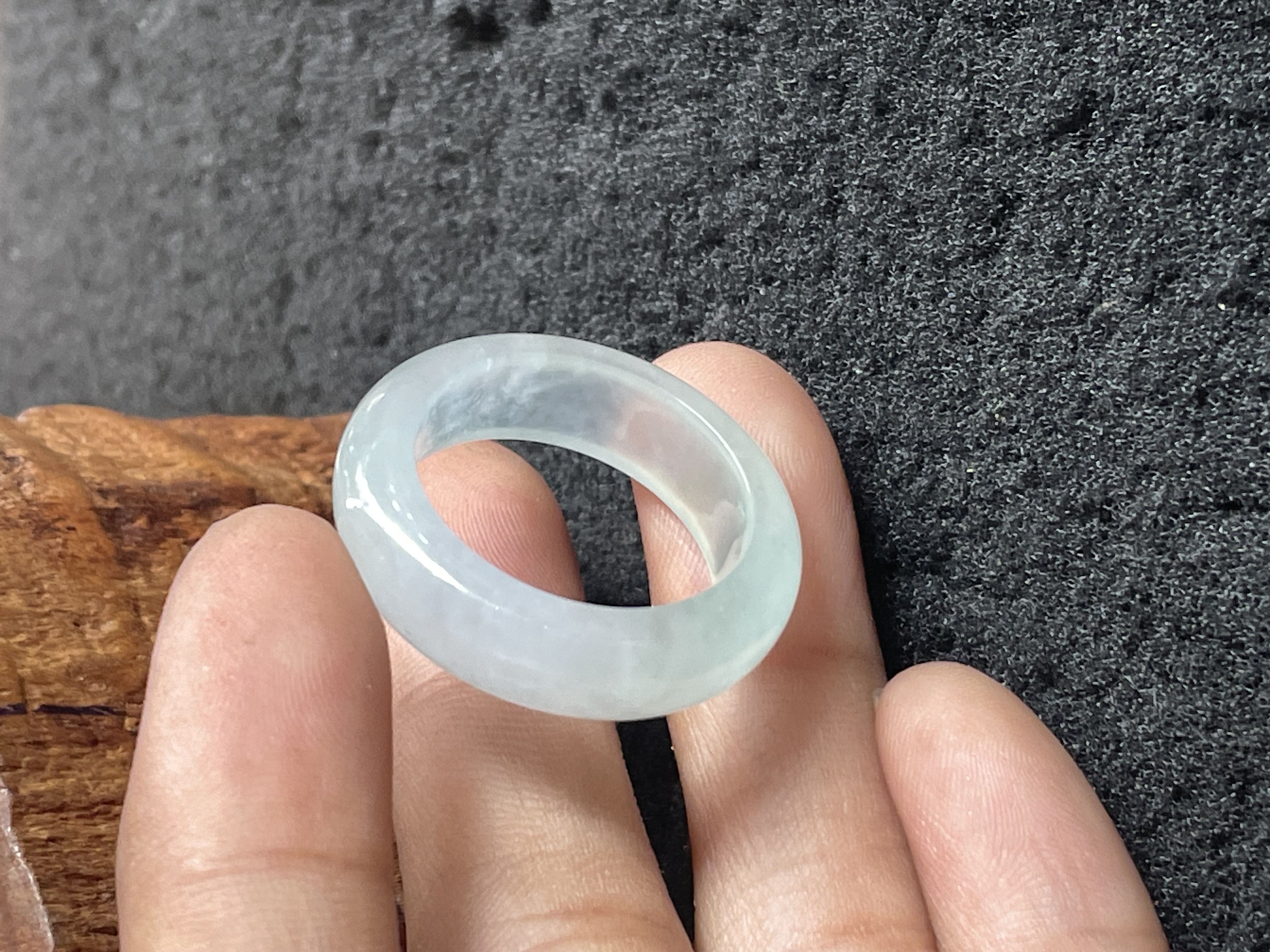
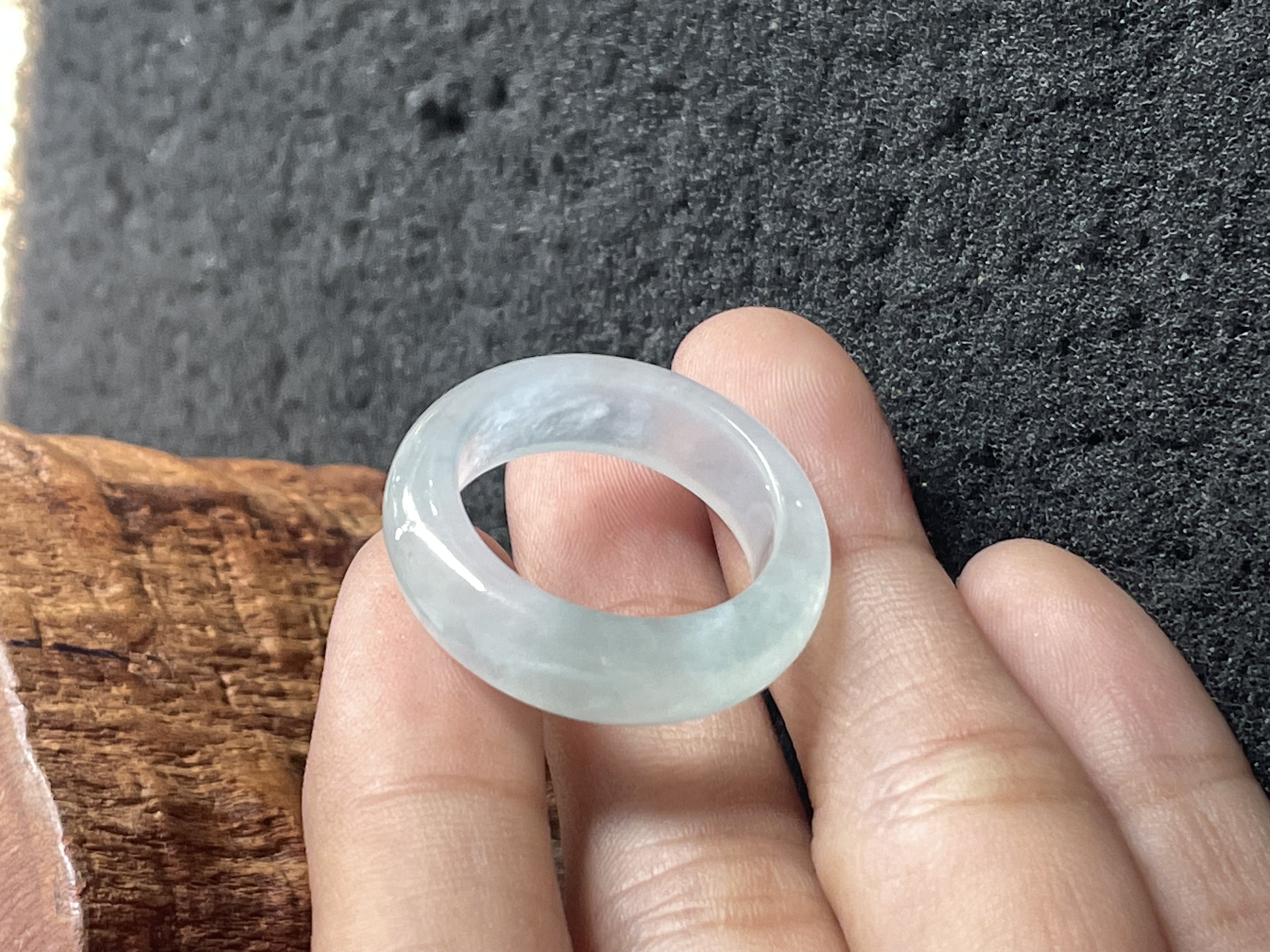
High-quality Imperial Green Jadeite possesses a remarkable translucency, allowing light to penetrate and reflect within the stone, giving it a luminous, almost gelatinous glow. This 'watery' quality, known as shui tou in Chinese, enhances the vibrancy of the green. Opaque or cloudy jadeite, even if green, will not achieve Imperial status.
3. Texture: The Fine Grain
The texture refers to the fineness of the jadeite's mineral grains. Imperial Green Jadeite exhibits an exceptionally fine, compact texture, often described as 'glassy' or 'fine-grained'. This contributes to its smooth, polished surface and its ability to take an exquisite luster. Coarser textures diminish value.
4. Craftsmanship: The Art of the Carver
For carved pieces, the skill of the artisan plays a significant role. Exquisite carving that respects the natural form and color distribution of the jadeite can elevate its value. For cabochons or beads, precision cutting and polishing are essential to maximize the stone's inherent beauty and luster.
The Origin: Hpakant and Burmese Jadeite
The vast majority of the world's finest jadeite, including virtually all Imperial Green Jadeite, originates from the remote mines of Hpakant in Kachin State, Myanmar (Burma). This region is unique in producing jadeite with the specific geological conditions required for such intense coloration and fine texture. The term Burmese Jadeite is synonymous with quality, and Hpakant is its legendary source. Our direct presence in Mandalay, the heart of the Burmese jadeite trade, provides us with unparalleled access to newly mined, high-quality rough.
Investment Jadeite: A Tangible Asset
Imperial Green Jadeite has historically proven to be a robust investment. Its value has consistently appreciated over decades, often outperforming traditional assets. This is due to a combination of factors:
- Rarity: True Imperial Green Jadeite is exceptionally rare. The mines of Hpakant are finite, and the discovery of top-tier material is increasingly uncommon.
- Cultural Significance: Its deep cultural roots and spiritual importance in Asia ensure sustained demand from a vast market of collectors and enthusiasts.
- Durability: Jadeite is a tough and durable gemstone, suitable for heirloom pieces that can be passed down through generations.
- Portability: High-value jadeite is a compact, easily transportable form of wealth.
For serious investors, acquiring Investment Jadeite of Imperial quality represents a strategic diversification of their portfolio.
Authenticity and Type A Jadeite
In the world of jadeite, authenticity is paramount. The market differentiates between three types of jadeite treatments:
- Type A Jadeite: This refers to natural, untreated jadeite that has only been polished and possibly waxed (a traditional, acceptable practice). Its color and transparency are entirely natural. Myanmar Jadeite exclusively deals in Type A Jadeite.
- Type B Jadeite: This jadeite has been acid-treated to remove impurities and then impregnated with polymer resin to improve transparency and luster. This treatment is permanent and significantly reduces the stone's value.
- Type C Jadeite: This jadeite has been dyed to enhance or change its color. The color is not natural and can fade over time.
- Type B+C Jadeite: A combination of both acid treatment, polymer impregnation, and dyeing.
Always insist on certification from reputable gemological laboratories (such as GIA, GRS, or local Asian labs specializing in jadeite) that explicitly state the jadeite is Type A. This is non-negotiable for Old Mine Jadeite or any piece considered for investment.
Why Choose Myanmar Jadeite?
As a source-level supplier based in Mandalay, Myanmar Jadeite offers an unparalleled advantage. Our direct mine access means we procure rough jadeite directly from the source, ensuring authenticity, transparency, and competitive pricing. We specialize in high-grade Burmese Jadeite, including rare Imperial Green specimens, providing our clients with genuine Investment Jadeite that meets the highest standards of quality and provenance. Our expertise in navigating the complexities of the Hpakant mining region and the Mandalay jade market allows us to bring the finest Old Mine Jadeite directly to discerning collectors worldwide.
Investing in Imperial Green Jadeite is not merely acquiring a gemstone; it is embracing a legacy of beauty, culture, and enduring value. With Myanmar Jadeite, you gain a trusted partner in this exquisite journey.
Interested in Investment Jadeite?
Our experts are available to guide you through selecting authentic, investment-grade Burmese jadeite directly from the source.
Consult on WhatsAppContinue Reading
More from the Jade Guide
 Jadeite
Jadeite vs. Nephrite: Understanding the Differences in Luxury Jade
Delve into the distinct characteristics of Jadeite and Nephrite, the two types of natural jade, crucial for collectors and investors.
 Burmese Jadeite
Old Mine Jadeite vs. New Mine: A Connoisseur's Guide to Burmese Jadeite
Explore the distinctions between Old Mine and New Mine Burmese Jadeite, understanding their value, authenticity, and investment potential.
Burmese JadeiteThe Definitive Burmese Jadeite Investment Guide
Explore the world of Burmese Jadeite investment, understanding its value, authenticity, and why it remains a coveted asset for discerning collectors.